Before and after
One photograph. Different works of art.
See what happens when an ordinary photograph becomes the starting point for painting-inspired artwork.
The cat sequence below uses the same original photograph for four interpretations. The historic portrait shows a matching monochrome source and colourised Preserve result. The locomotive is a separate comparison; its original photograph has not been verified.
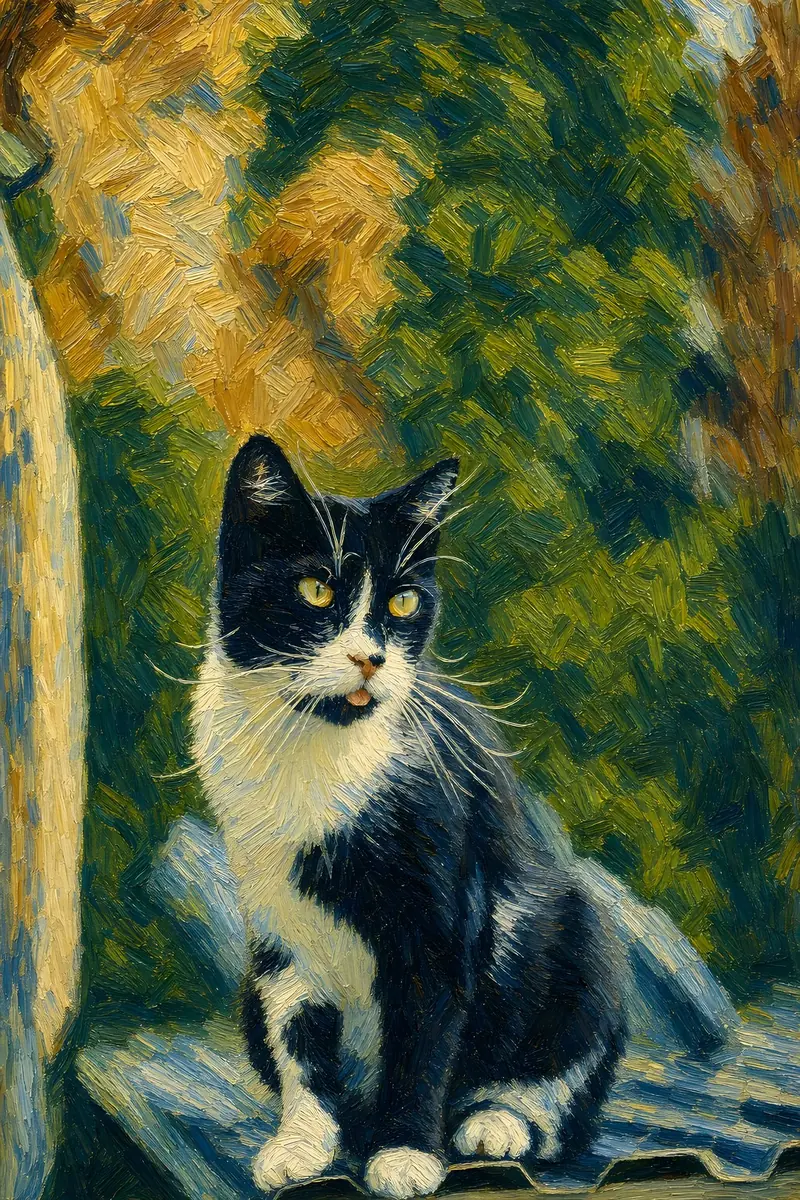
Post-Impressionism
Expressive strokes and textured colour give the original cat portrait a painterly energy.
01 / Confirmed comparison
From photograph to Post-Impressionism
Start with a recognisable black-and-white cat photographed outdoors. The transformation keeps its pose and distinctive face, then interprets the scene using textured, directional marks and layered colour.
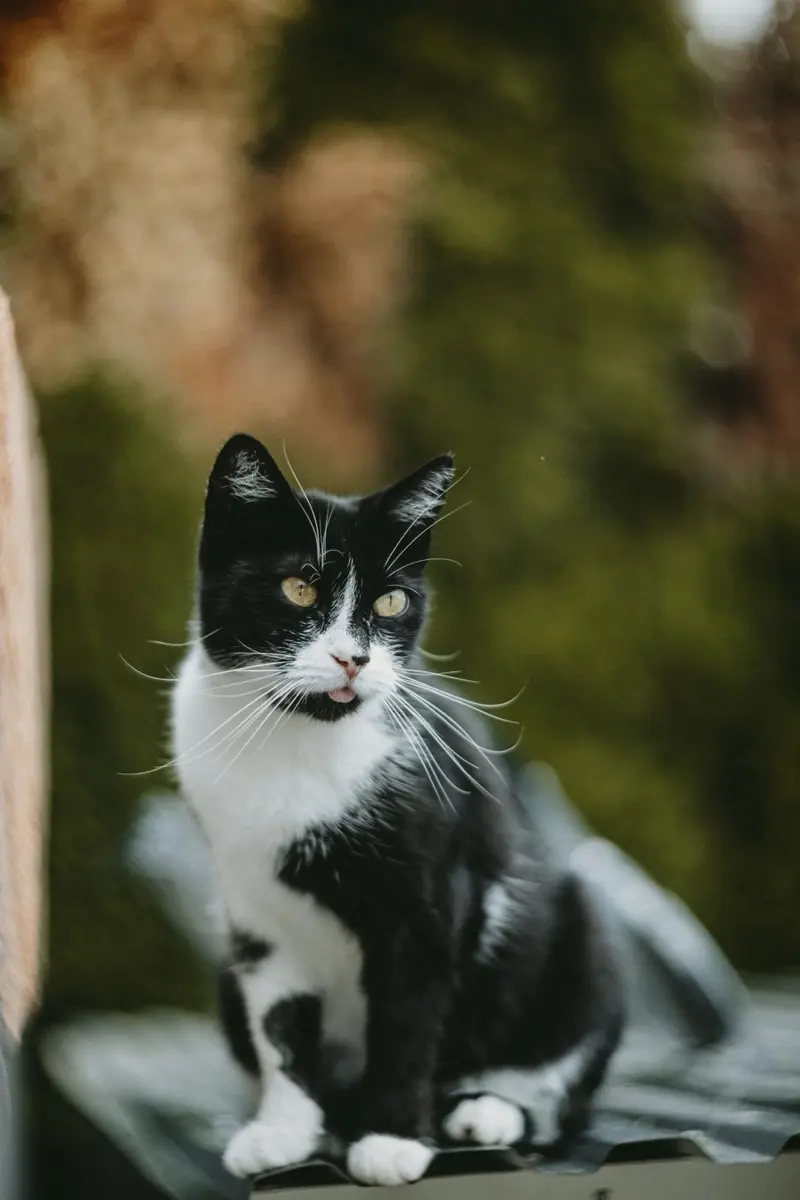
Original photograph
One original photograph, used as the source for the cat transformations below.
Post-Impressionism
Expressive strokes and textured colour give the original cat portrait a painterly energy.
This is a verified original-and-transformation pair. The source photo is an example supplied for the Source Editions testbench.
02 / The same source
Three more ways to see the same cat
Pointillism softens the scene into small colour marks. Pop Art uses deliberate outlines and bold colour. Art Deco brings a geometric structure. None requires you to find a different photograph.
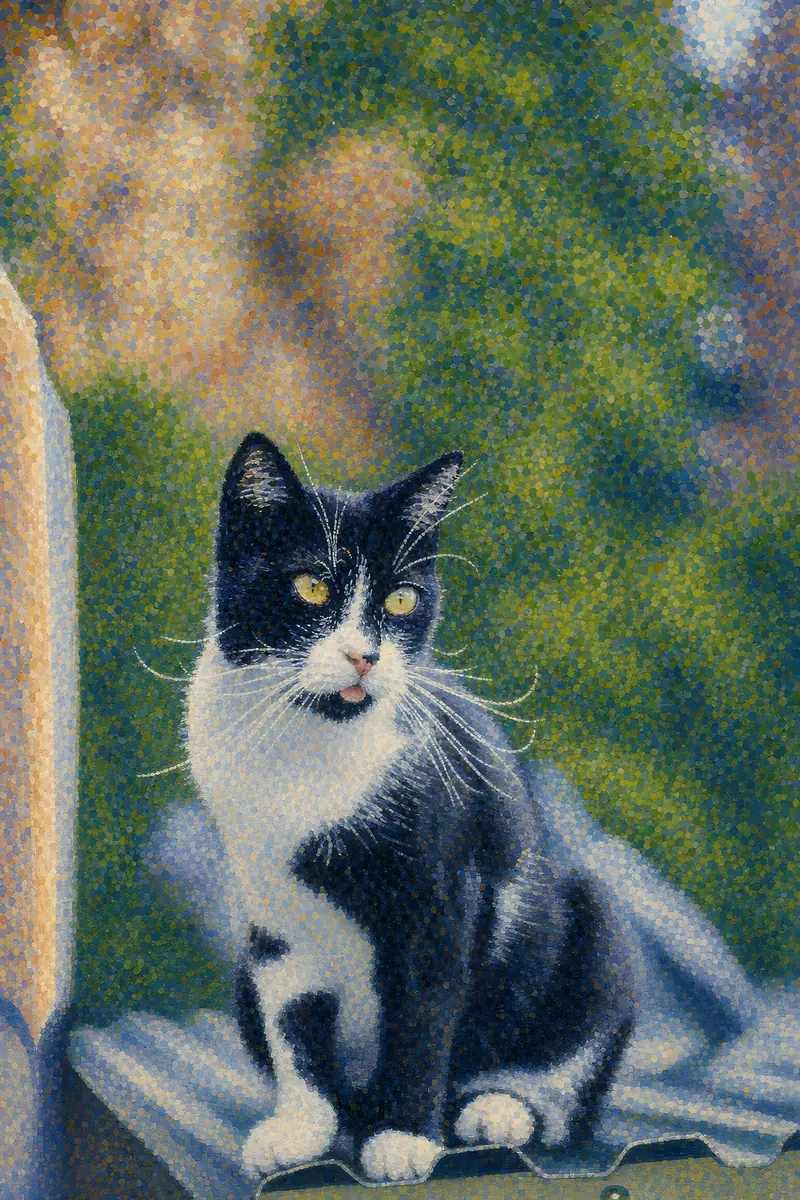
Pointillism
A dense pattern of small marks changes how the cat and background read.
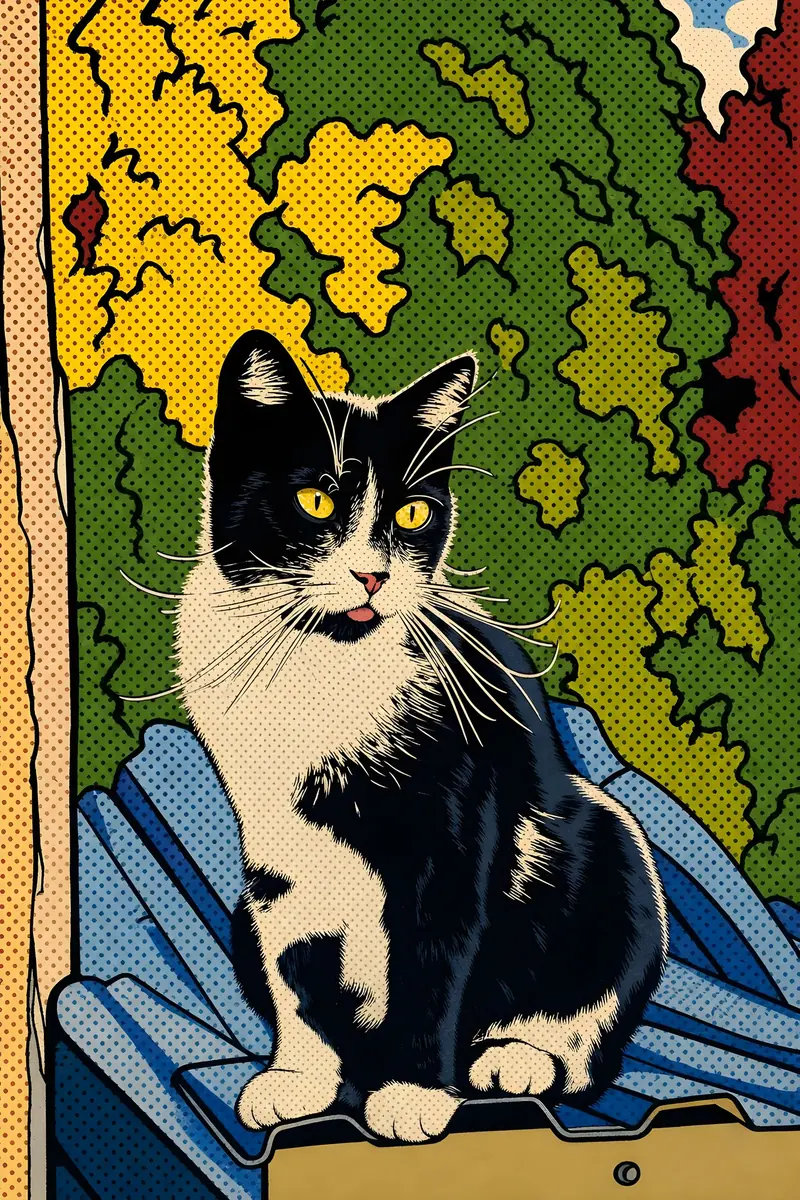
Pop Art
Hard edges, expressive colour blocks and a playful poster-like finish.
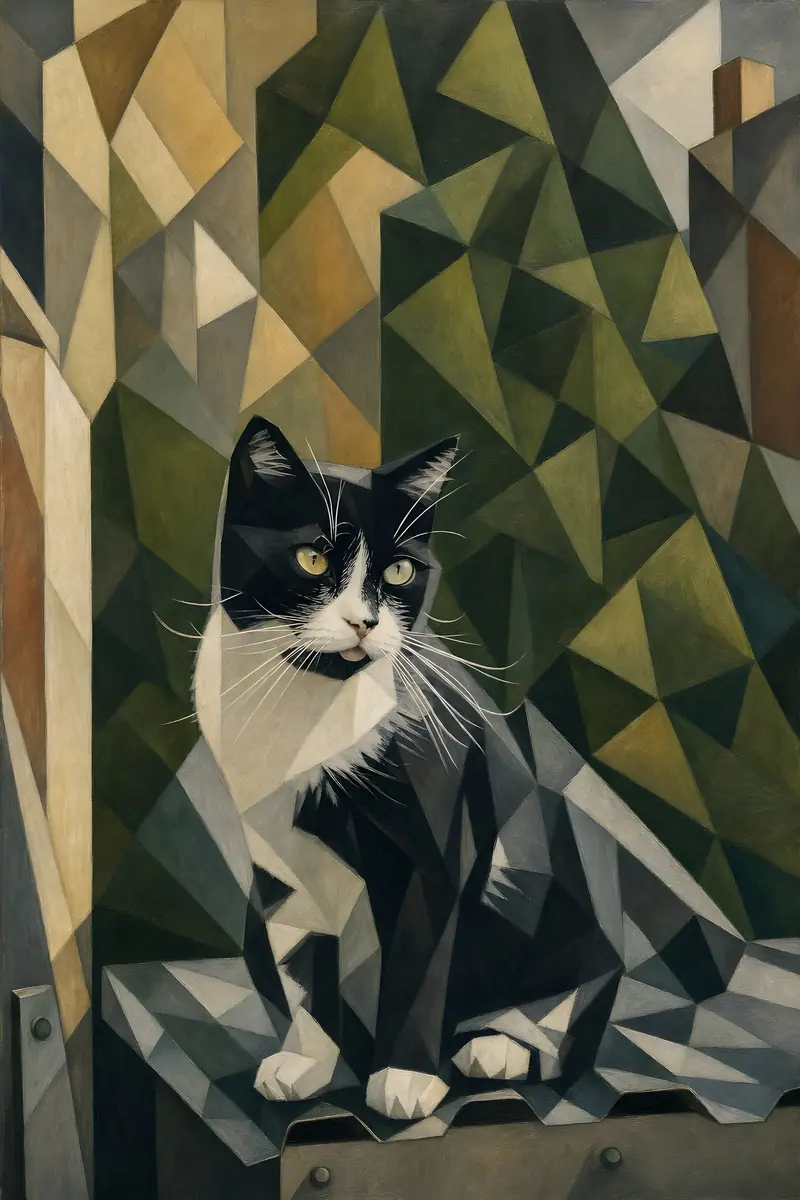
Art Deco
A geometric composition with restrained tones and a graphic architectural feel.
03 / Preservation versus transformation
Keep the scene, or reinterpret it
Source Editions has two distinct jobs: Preserve enhances an existing picture while trying to retain its original content; Reimagine explores an art movement. These steam-locomotive examples illustrate the different visual approaches.
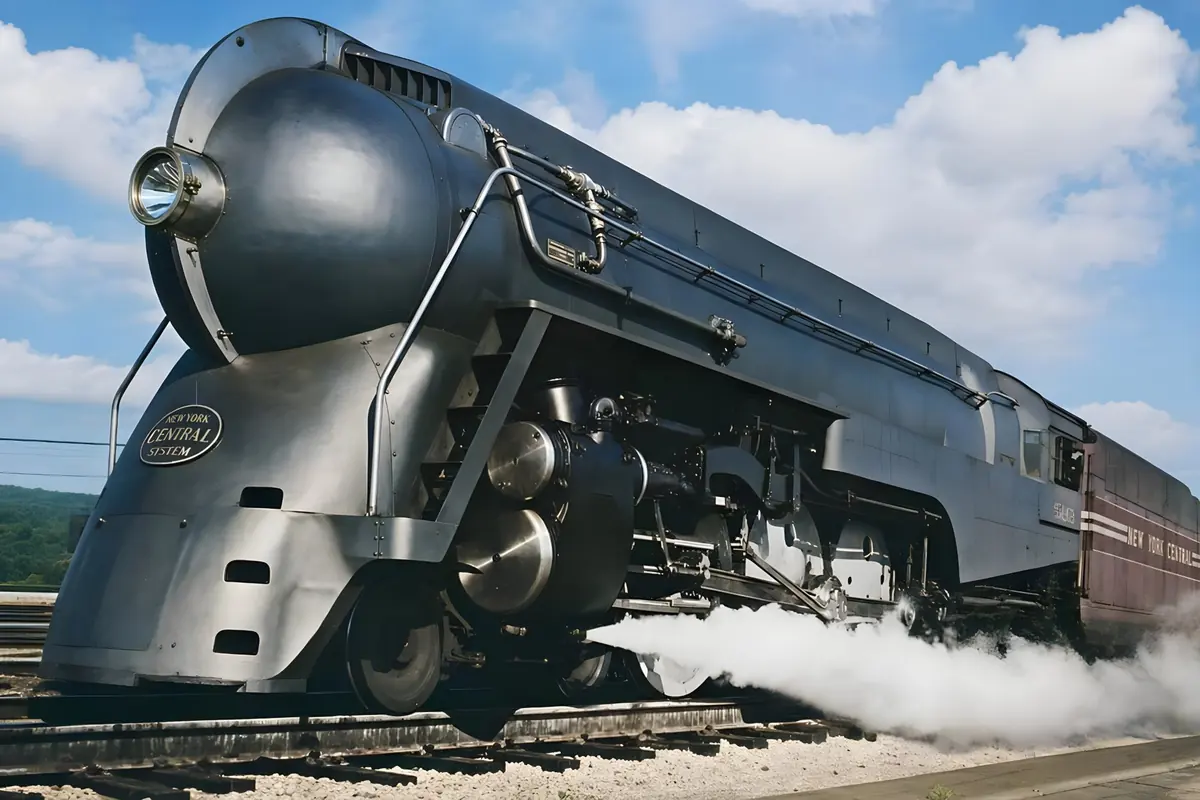
Preserve example
A Preserve version of a steam locomotive. The unedited source is not shown here.
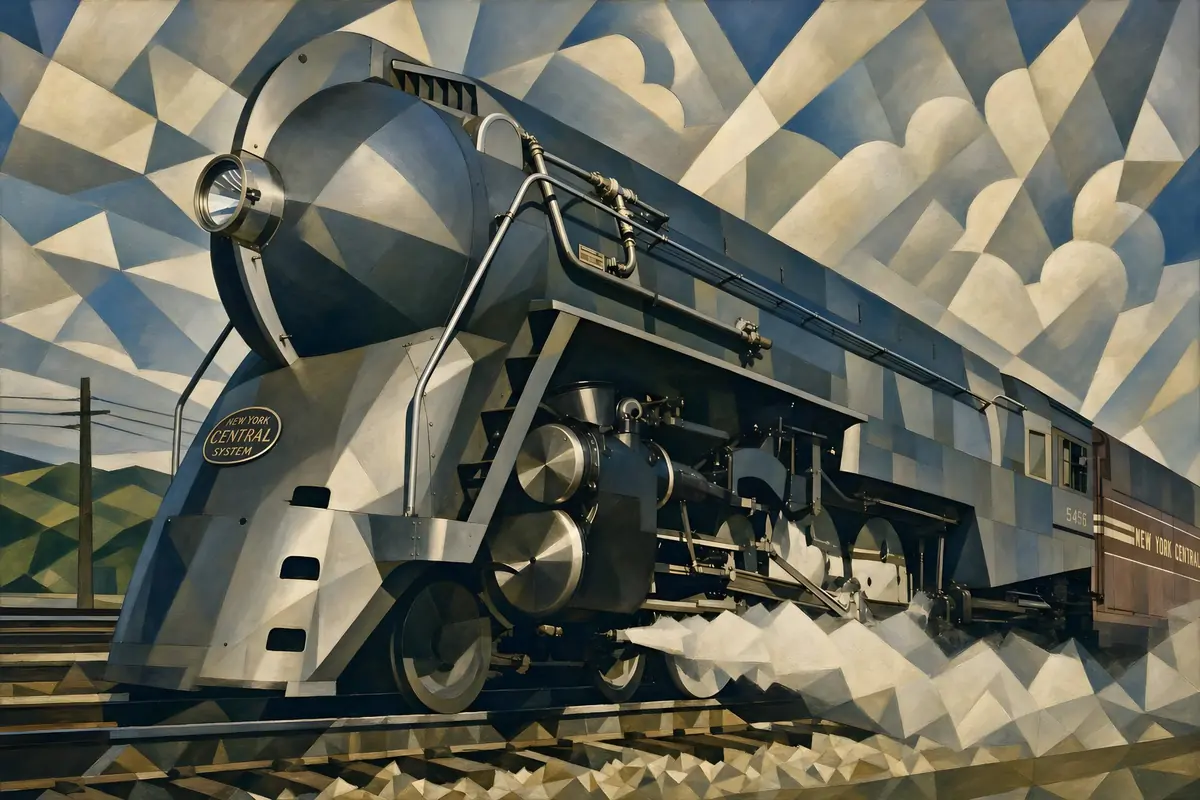
Art Deco transformation
A stylised locomotive using geometric forms. Shown alongside the Preserve example, not as a verified source-photo comparison.
These are related locomotive examples, not a verified unedited-source-to-transformation pair. The unedited original is not shown.
04 / Historic photo preservation
From monochrome portrait to a colourised edition
This is the same seated portrait in two versions. The original-looking monochrome photograph shows the woman's pose, clothing, hand and papers; the Preserve result introduces colour while retaining the recognisable composition.
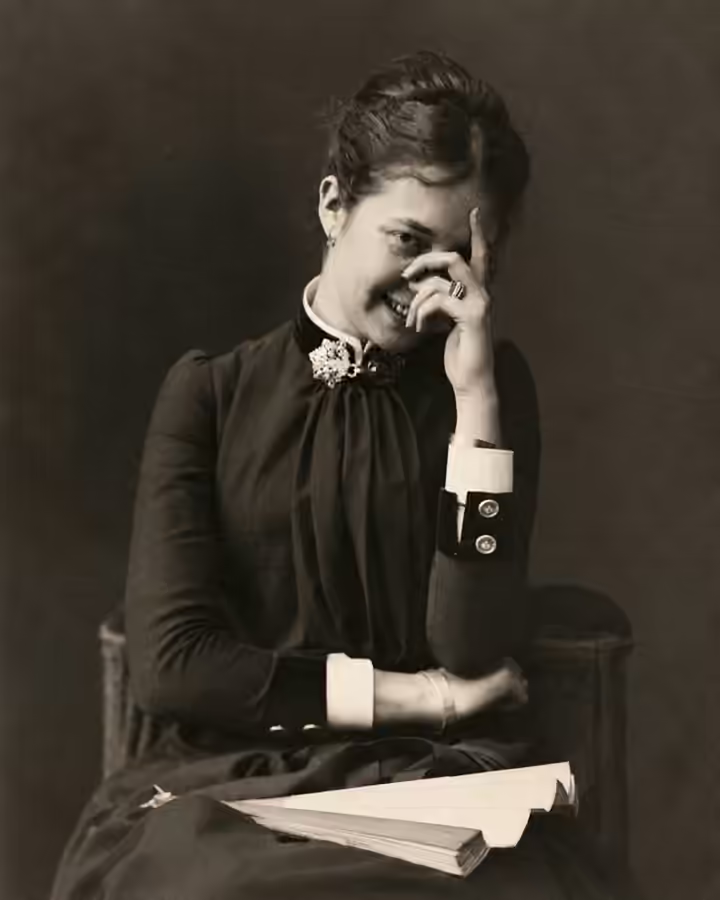
Monochrome source photograph
The clean monochrome photograph provided as the source for this colourised Preserve example.
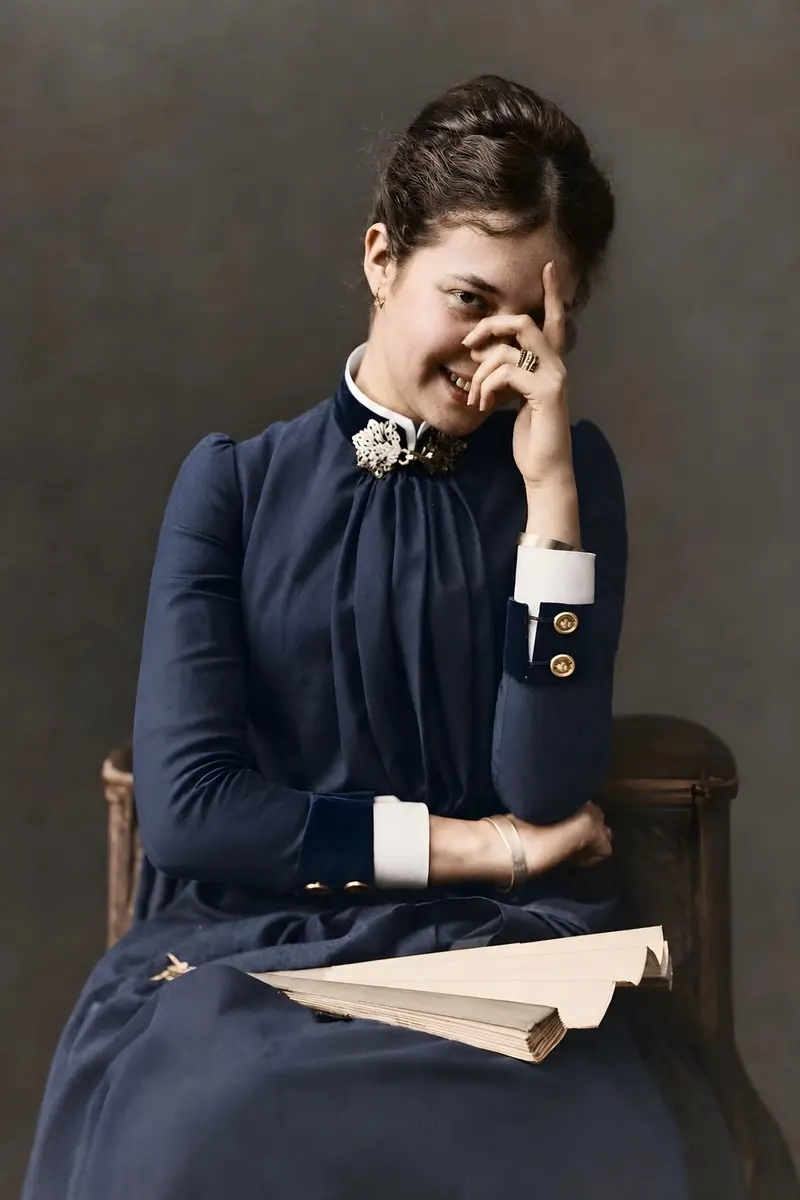
Colourised Preserve result
The preserved portrait in colour, shown beside its corresponding monochrome source.
The clean monochrome image and matching colourised Preserve result are shown side by side. This demonstrates colourisation and preservation, not a verified resolution-only upscale.
Useful to know
Questions, answered
Are these real before-and-after examples?
The cat example shows a matched original and four art movements. The historic portrait shows a matching monochrome image and colourised Preserve result. The locomotive and other scenes are not described as verified original-to-art pairs without their sources.
Does Source Editions hand-paint photographs?
No. The art is digitally generated using the visual language of an art movement, then prepared for digital delivery or printing after approval.
Can I turn my own photo into any of these styles?
You can upload a photo and try the available movements in the creator. The result depends on the image and style, so review the preview before ordering.
Make it your own
The next edition starts with your photograph.
Explore the artistic styles, review the digital interpretation, then decide whether to order a print, canvas, framed artwork or Digital Edition. For old or damaged pictures, see photo restoration and preservation.