Art movement inspiration
The subject stays. The artwork changes.
One view of the sea can feel entirely different through Fauvism, Japanese Woodblock, Pop Art or Art Deco.
These examples explore the visual character of art movements with familiar subjects: a coastline, a portrait and a steam train. The finished images are digitally generated interpretations, not hand-painted reproductions.
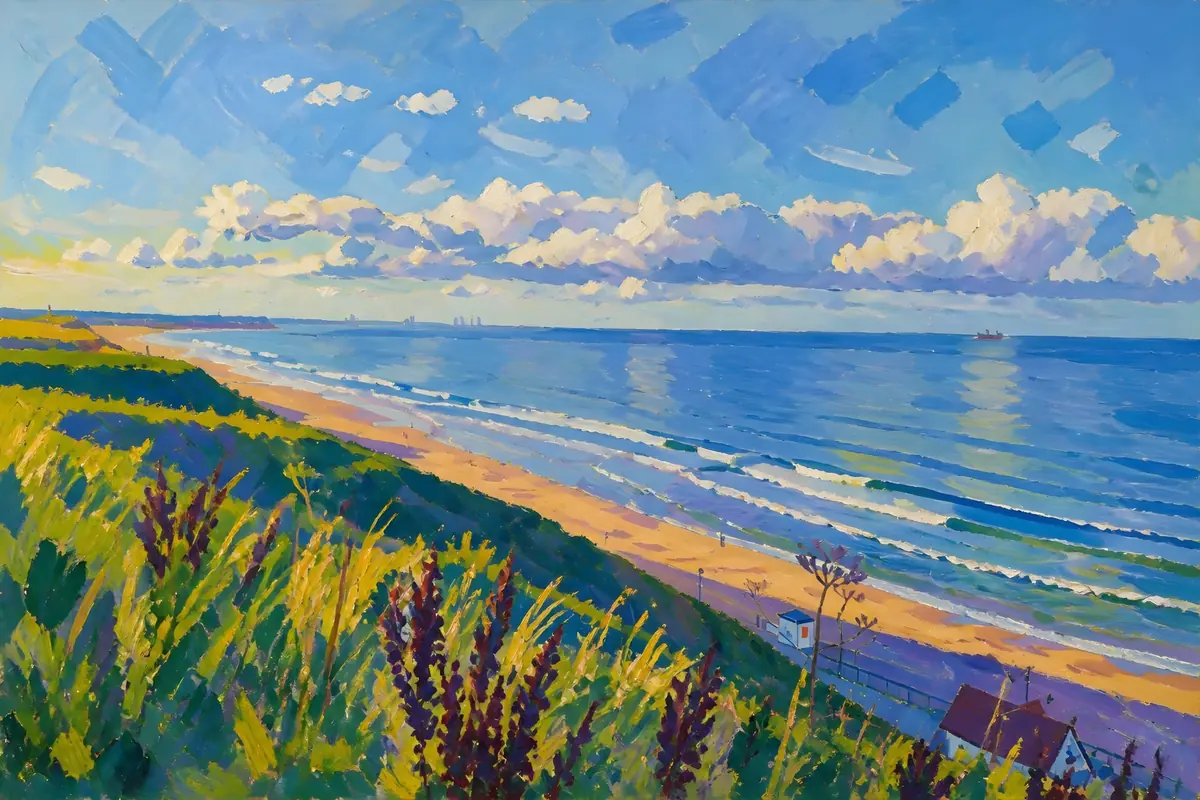
Fauvism
Bright, expressive colours bring the coastline to the foreground.
01 / Landscape
Five ways to interpret one coastline
Each example depicts the same recognisable coastal setting, but colour, atmosphere, line and structure differ. Fauvism lifts the saturation; Japanese Woodblock favours clearer contours; Pop Art becomes highly graphic; Art Deco emphasises geometry; Dutch Golden Age suggests softer light.
Fauvism
Bright, expressive colours bring the coastline to the foreground.
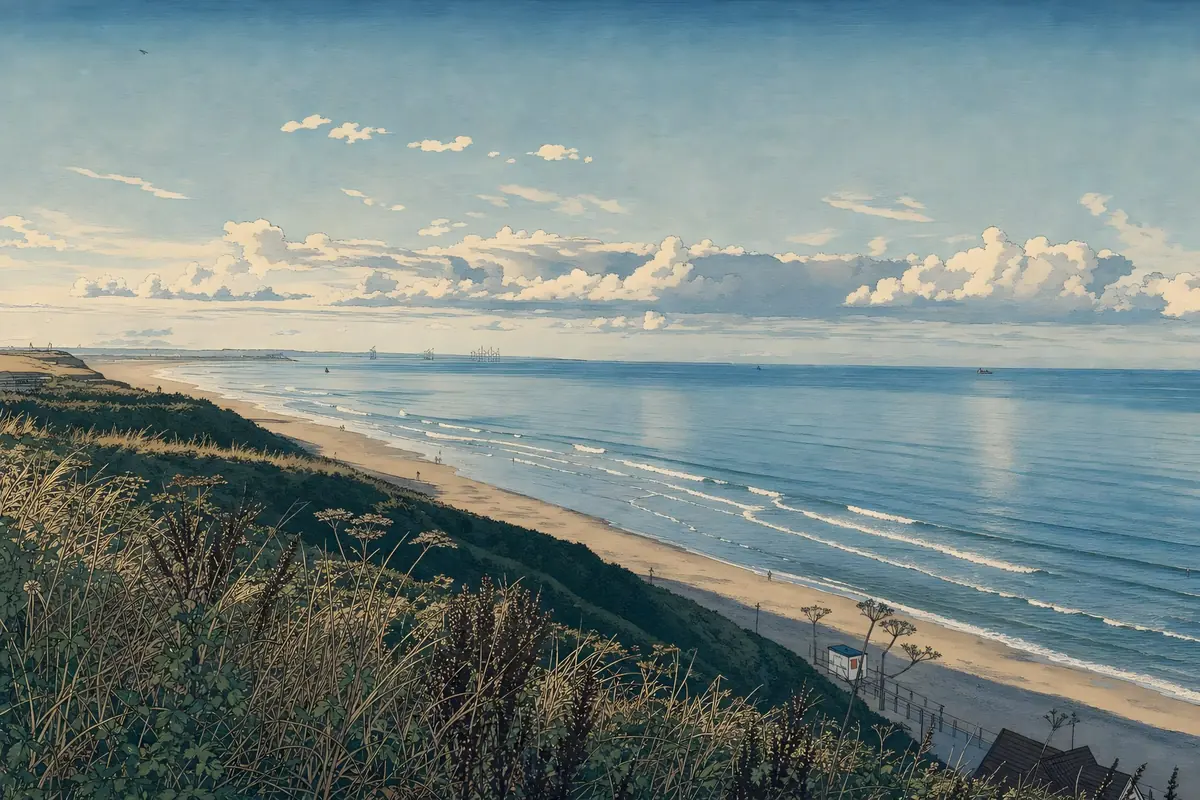
Japanese Woodblock
Simplified shapes and considered lines create a quieter landscape.
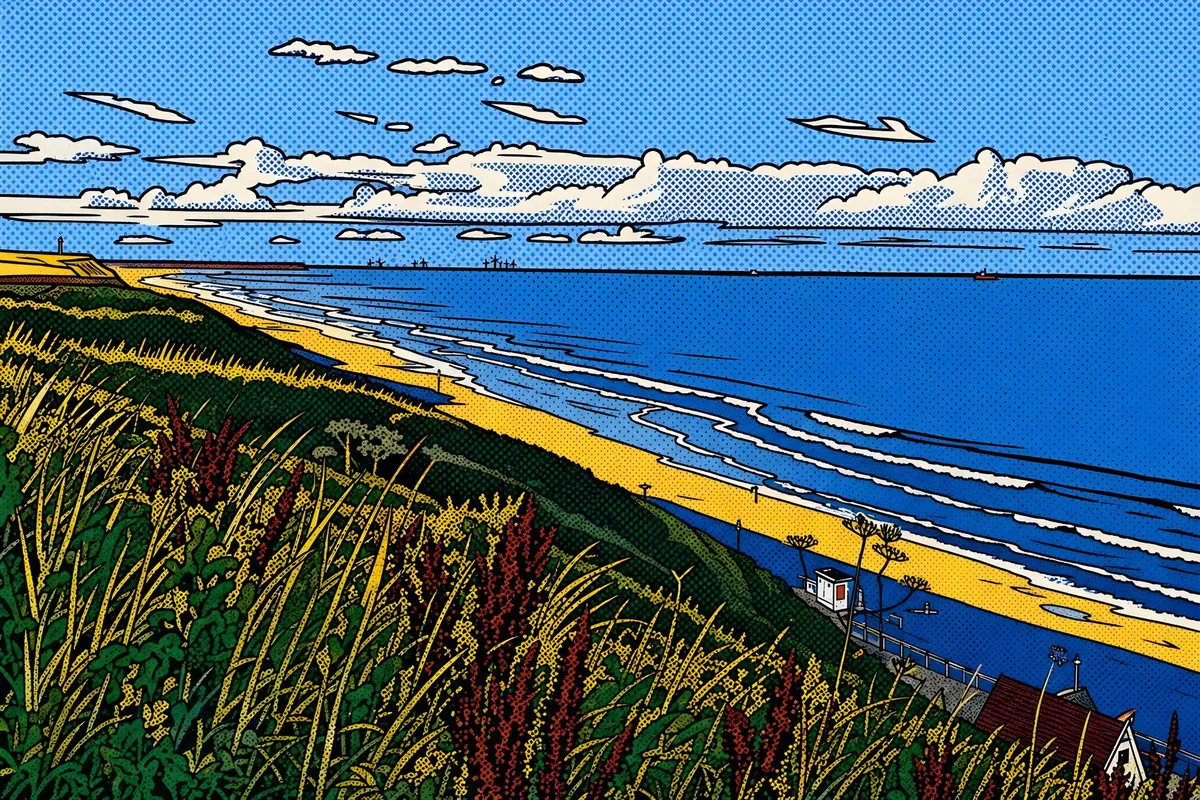
Pop Art
Graphic outlines turn the familiar sea view into a striking statement.
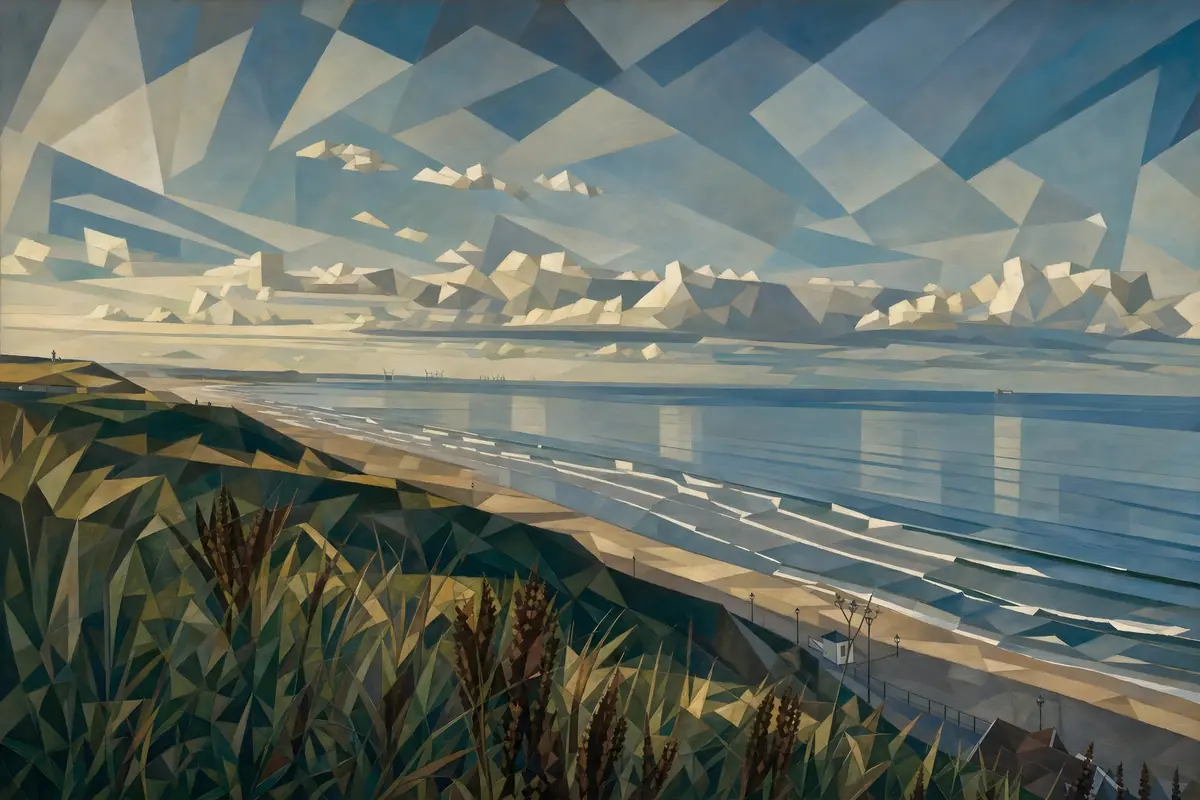
Art Deco
The same coastline becomes a study in angles and structured pattern.
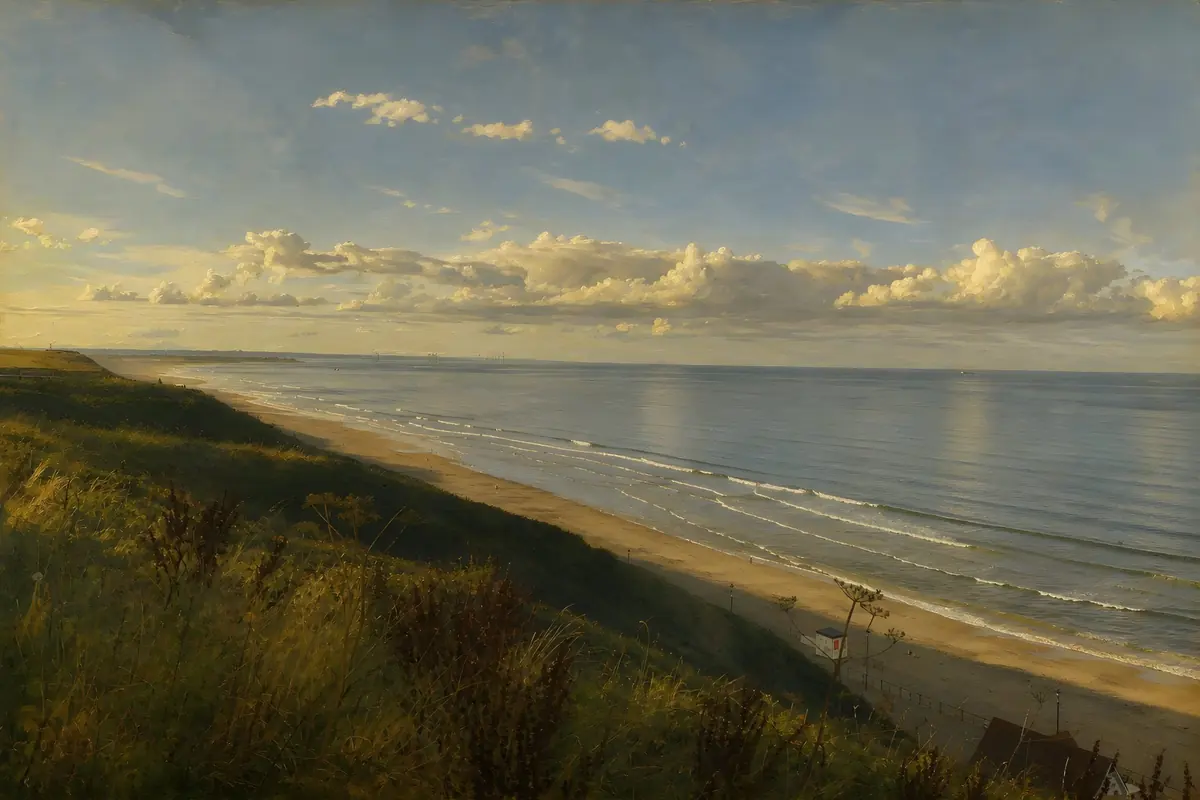
Dutch Golden Age
Soft atmosphere and restrained colour lend a classical landscape sensibility.
This is a comparison of five completed artworks. The original unedited coastal photograph has not been located, so this is not labelled before-and-after.
02 / Portrait
A modern photograph, a classical mood
Portraits can take on a different emotional register when interpreted through a historical art movement. Here, an older man's portrait uses subdued colour and directional light associated with Dutch Golden Age painting.
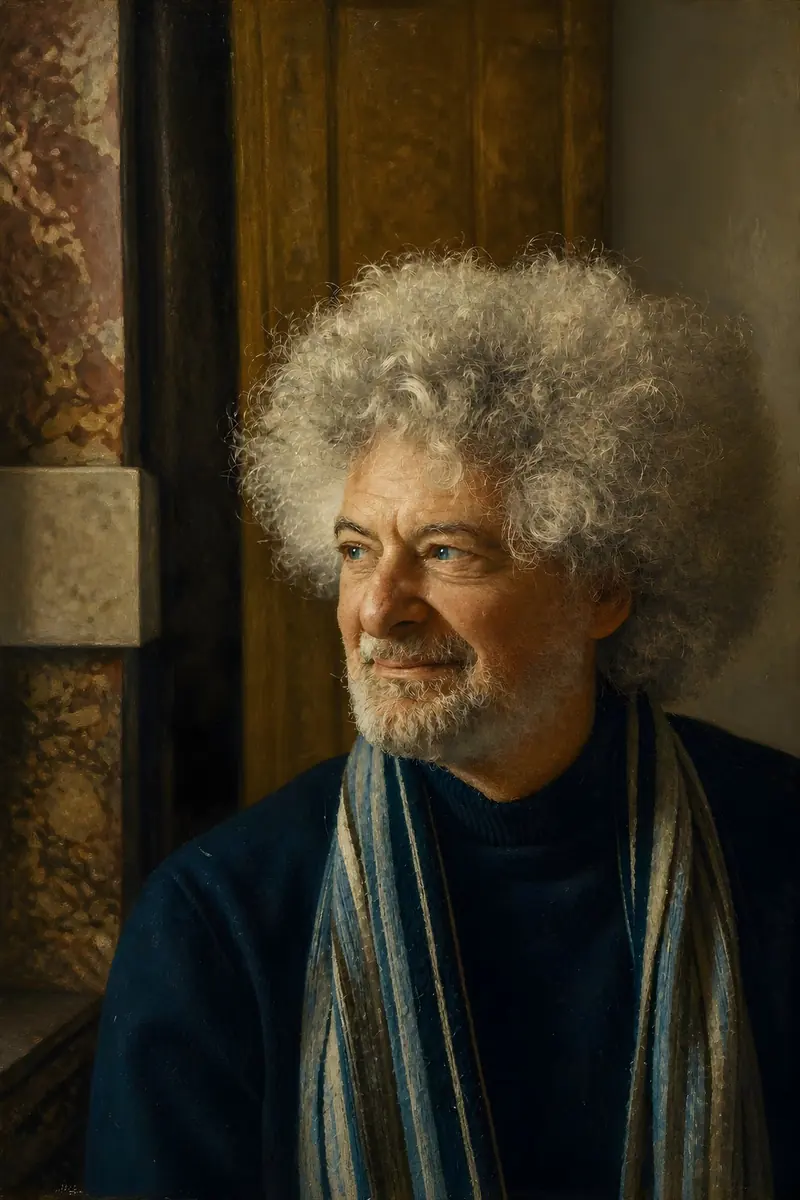
Dutch Golden Age portrait
A digital portrait interpretation with subdued light and classical atmosphere.
A finished artwork example. Its original photograph is not shown.
03 / Objects and places
Not every edition needs a face
A striking train, a seaside walk or a favourite landmark can be compelling source material. This steam locomotive uses the angular visual language of Art Deco, demonstrating how personal art can be about a place or interest rather than a portrait.
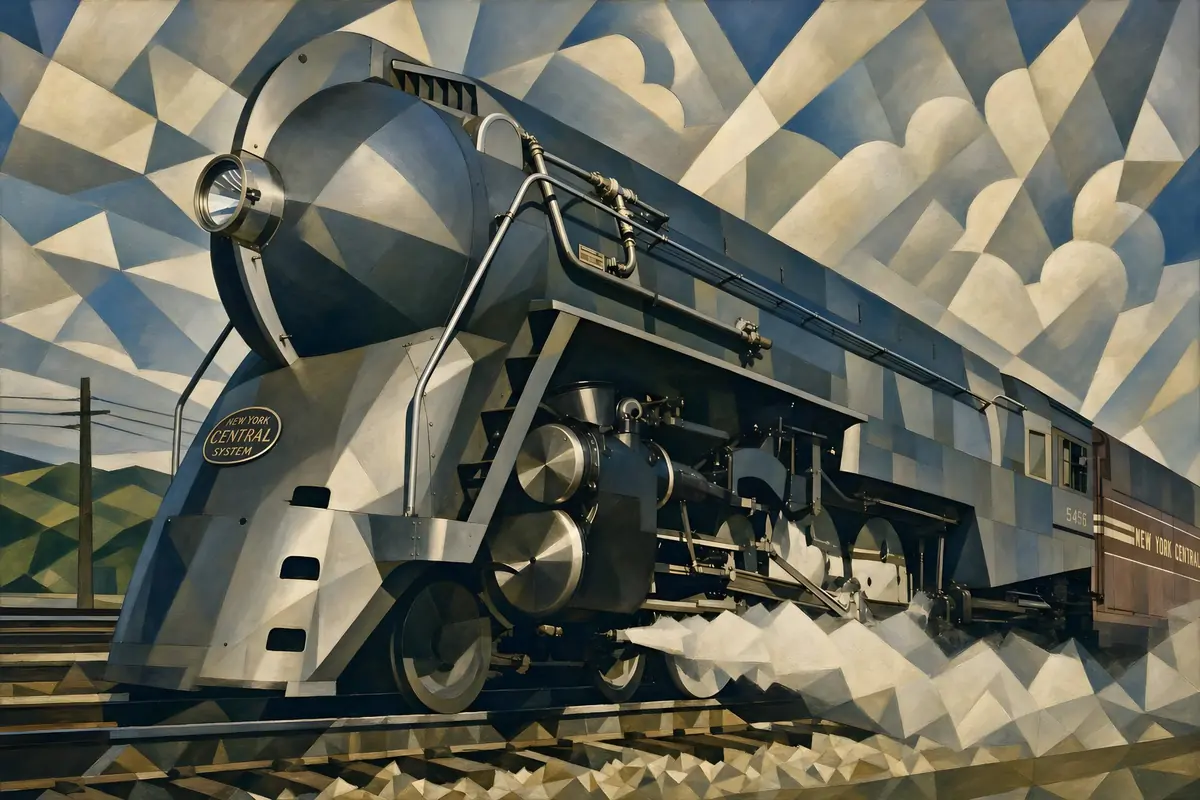
Art Deco transformation
A stylised locomotive using geometric forms. Shown alongside the Preserve example, not as a verified source-photo comparison.
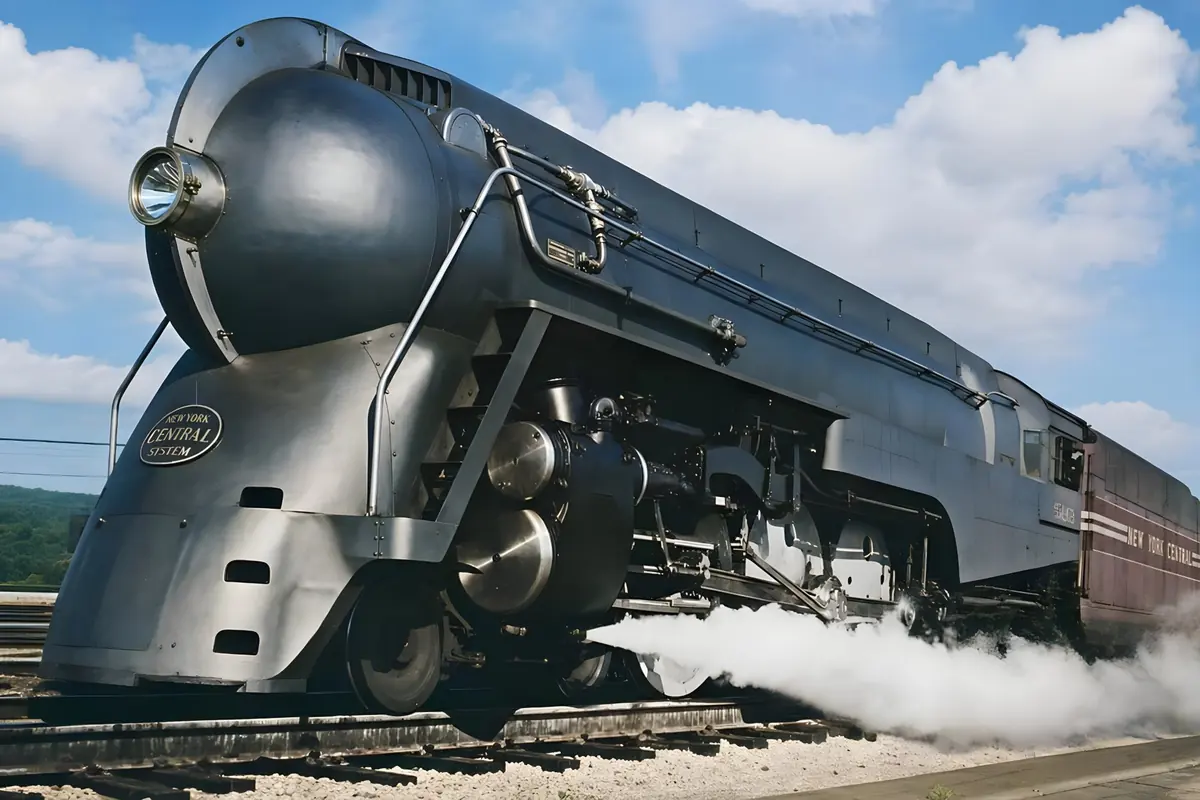
Preserve example
A Preserve version of a steam locomotive. The unedited source is not shown here.
The locomotive images demonstrate two treatments of a related subject; the unedited source has not been verified.
Useful to know
Questions, answered
What is the difference between a photo filter and an art movement interpretation?
A simple filter typically adjusts a photo's colours and tone. These examples reinterpret visual structure, texture and shape to create a distinct artwork inspired by a movement.
Can landscapes become framed art?
Yes. Landscapes, travel photographs and portraits can be interpreted through an available movement and ordered as a digital edition or a physical wall piece after you approve the preview.
Can I request a reproduction of a particular artist's original painting?
Source Editions begins with your photograph and explores the language of an art movement. It does not sell original paintings or claim that the artist hand-created your edition.
Make it your own
The next edition starts with your photograph.
Explore the artistic styles, review the digital interpretation, then decide whether to order a print, canvas, framed artwork or Digital Edition. For old or damaged pictures, see photo restoration and preservation.